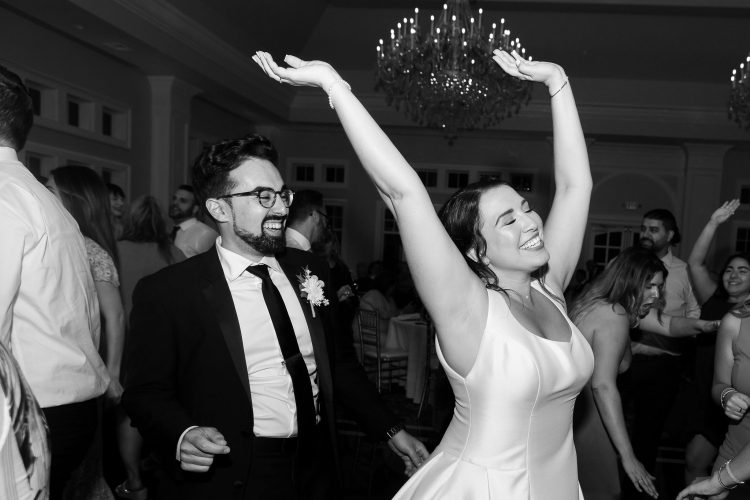
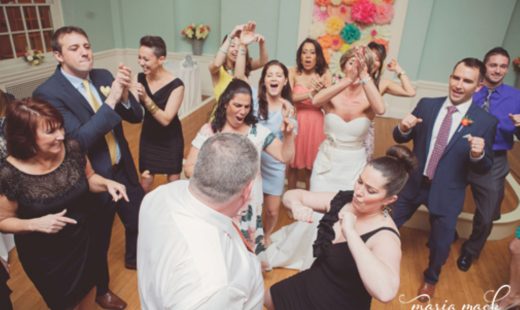
When couples plan their wedding, they spend hours choosing the perfect venue; the architecture, the lighting, the ambiance. But there’s one thing most couples never think about until it’s too late: how that venue affects the way music sounds. The truth is, venue size and layout can make or break your wedding sound quality, and understanding it ahead of time can save your dance floor.
Why Venue Acoustics Matter for Your Wedding
Sound behaves differently in every space. A song that sounds incredible in a cozy ballroom can sound muddy and overwhelming in a high-ceilinged warehouse, and thin and flat in a wide-open outdoor tent. Acoustics aren’t just a technical problem; they directly affect how your guests experience your wedding music, how clearly they can hear your vows, and whether or not people actually get up and dance.
The three biggest factors that shape your wedding’s sound quality are:
- Venue size — how much space the sound has to fill
- Venue layout — the shape of the room and where guests are seated
- Building materials — what surfaces the sound bounces off of
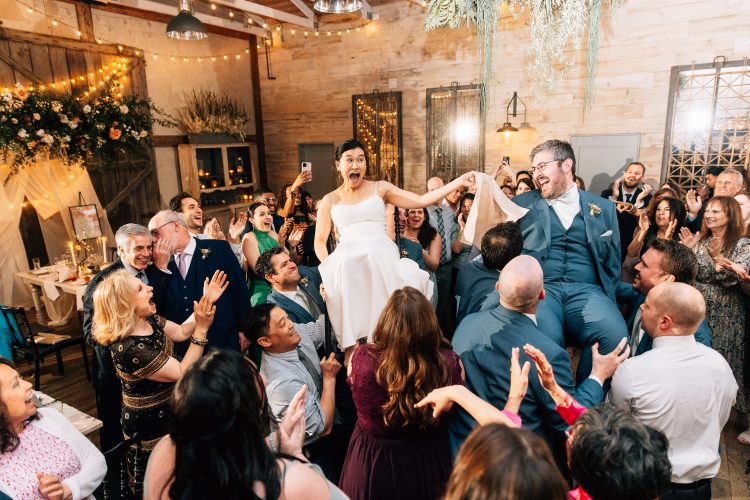
How Venue Size Affects Sound
Small & Intimate Venues
Small venues; think private dining rooms, art galleries, or boutique event spaces, can actually be tricky to work with. Sound has less space to travel, which means it can bounce around and create an echo or feel too loud very quickly.
A professional wedding DJ will use smaller, more precise speaker setups in these spaces to control volume and prevent sound from overwhelming the room. The goal is warmth and clarity, not power.
Medium-Sized Venues
Medium ballrooms and reception halls are generally the most forgiving for sound. There’s enough space for sound to breathe without getting lost, and most of these venues are specifically designed with events in mind, meaning the acoustics are already somewhat optimized.
That said, awkward room shapes, like L-shaped rooms or spaces with low-hanging ceilings in certain areas can still create “dead zones” where guests can barely hear the music, or “hot spots” where it’s too loud.
Large Venues & Grand Ballrooms
In large venues, the biggest challenge is coverage, making sure every corner of the room hears the music at a consistent volume. A single speaker setup at the front won’t cut it. Experienced wedding DJs use line array speaker systems or delayed speaker stacks placed strategically around the room to ensure even sound distribution without cranking the volume to uncomfortable levels.
How Venue Layout Affects Sound Quality
Open Floor Plans
Open, wide floor plans with few walls or dividers are great for visibility but challenging for sound. Without walls to reflect and contain sound, music can feel thin or directionless. DJs often compensate by angling speakers inward and boosting certain frequencies to give the music more presence.
Rooms With Columns or Pillars
Columns and pillars are one of the most common culprits behind uneven sound at weddings. They create physical barriers that block sound from reaching certain areas of the room. A skilled DJ or sound technician will account for this during setup, positioning speakers to minimize the impact of obstructions.
High Ceilings & Hard Surfaces
Venues with vaulted ceilings, exposed brick, hardwood floors, and large windows look stunning, but they’re acoustic nightmares. Hard surfaces reflect sound rather than absorbing it, creating reverb and echo that muddies speech and music. In these spaces, DJs often need to adjust their EQ settings significantly and may recommend sound-dampening solutions like draping or decor elements that soften the room.
Carpeted or Fabric-Heavy Rooms
On the flip side, rooms with thick carpet, curtains, upholstered furniture, and acoustic ceiling tiles absorb sound, sometimes too much. Music can feel flat or muted. DJs will typically boost certain frequencies to bring the energy back up and compensate for the absorption.
Outdoor Spaces
Outdoor venues; gardens, rooftops, vineyards, present a unique challenge: sound simply disappears into open air. There are no walls to reflect or contain it, which means you need more speakers and more power than you’d expect. Wind, ambient noise, and local noise ordinances all add extra layers of complexity.
Planning an outdoor wedding? Here’s how weather adds even more to the sound equation: How Weather Impacts Outdoor Wedding Music (And How DJs Prepare)
Questions to Ask Your Venue About Sound
Before you book, ask your venue these questions to avoid surprises on your wedding day.
- Is there a sound system already installed? If so, is it compatible with a DJ setup?
- Are there noise restrictions or volume limits? Many venues — especially outdoor ones — have decibel limits or curfews.
- Is there a dedicated power supply for audio equipment? Sharing circuits with catering equipment can cause audio interference.
- Have you hosted weddings with live DJs before? A venue with experience hosting DJs will have already worked through many of these challenges.
- Are there any sound “dead zones” in the room? A good venue coordinator will know the answer to this.
Not sure whether indoor or outdoor is right for you? Here’s how each option shapes your entire sound experience: Indoor vs. Outdoor Weddings: How Music & Sound Change Everything.
How a Professional Wedding DJ Adapts to Any Venue
This is where hiring an experienced wedding DJ truly pays off. A professional DJ doesn’t just show up with speakers and press play — they assess the space before your wedding day, understand the acoustic challenges of your specific venue, and bring the right equipment to compensate. Want a behind-the-scenes look at exactly how that preparation unfolds? Read: Sound Checks 101: What Happens Before Guests Arrive.
This includes:
- Venue research ahead of the event
- Bringing the right speaker configuration for the room size and shape
- Sound testing and EQ adjustment before guests arrive
- Positioning speakers strategically to eliminate dead zones
- Adjusting volume and tone dynamically throughout the night as the room fills with people (yes, a room full of guests absorbs sound differently than an empty one)
Final Thoughts
Your venue is more than just a backdrop, it’s an active part of your wedding sound experience. The size, shape, and materials of your space all play a role in how your music sounds, how clearly your guests hear your vows, and whether your dance floor comes alive.
That’s why working with an experienced wedding DJ who understands acoustics isn’t a luxury, it’s a necessity. They will assess your venue, bring the right equipment, and make real-time adjustments to ensure your wedding sounds as good as it looks. Whether you’re hosting an intimate gathering or a grand ballroom celebration, the right wedding DJ makes all the difference.